Course Description
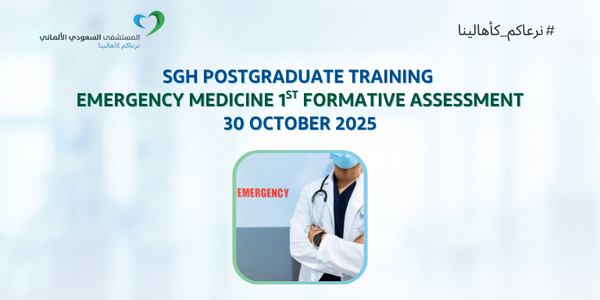
This formative assessment tests emergency medicine residents on the interpretation and clinical application of electrocardiogram (ECG) findings
It includes multiple case-based scenarios covering arrhythmias such as atrial fibrillation, pericarditis, and supraventricular tachycardia, requiring residents to identify ECG abnormalities, determine diagnoses, and propose appropriate management
Participants must demonstrate knowledge of pharmacological and non-pharmacological treatments, indications for rhythm control, and identification of complications such as pericardial effusion
The assessment reinforces clinical reasoning and diagnostic accuracy essential for managing cardiac emergencies
What will you learn?
Interpret ECGs accurately in common cardiac emergencies
Identify key features of arrhythmias such as AF, pericarditis, and SVT
Select evidence-based pharmacological and procedural management options
Recognize complications and outline appropriate investigations
Apply critical thinking to case-based emergency scenarios
Course Requirements
Emergency Medicine R-2 Resident
Course Content
Emergency Medicine Residency Program 1st Assessment (R-2)
Reviews
We look forward to your feedback after joining us.
Join NowEmergency Medicine Resides Program (R-2) 1st Formative Assessment
This formative assessment evaluates residents’ understanding of ECG interpretation, arrhythmia diagnosis, and management of cardiac emergencies in the emergency departmentPost Graduate- Emergency MedicineEmergency Medicine Resides Program (R-2) 1st Formative Assessment
This formative assessment evaluates residents’ understanding of ECG interpretation, arrhythmia diagnosis, and management of cardiac emergencies in the emergency department
Post Graduate- Emergency MedicineThis course includes:
- Duration: 2 hours 0 minutes
- Materials: 1 material
- Level: Advanced
- Earn a certificate upon completion